How Airport Digital Twins Improve Ground Handling Training
From Infrastructure Modifications to Fleet Transitions
Airports are among the most dynamic operational environments in the world. Infrastructure changes, stand reconfigurations, temporary construction zones, and fleet upgrades happen continuously - often while maintaining full operational capacity.
For ground handling teams, adapting to these changes quickly and safely is a constant challenge.
Traditionally, most operational adjustments are introduced directly into live operations. Personnel are expected to familiarize themselves with new layouts, changed traffic routes, modified stand procedures, or new GSE equipment while continuing day-to-day ramp activity under time pressure.
This creates operational risk. Today, digital twin technology is changing that approach entirely.
What Is an Airport Digital Twin?
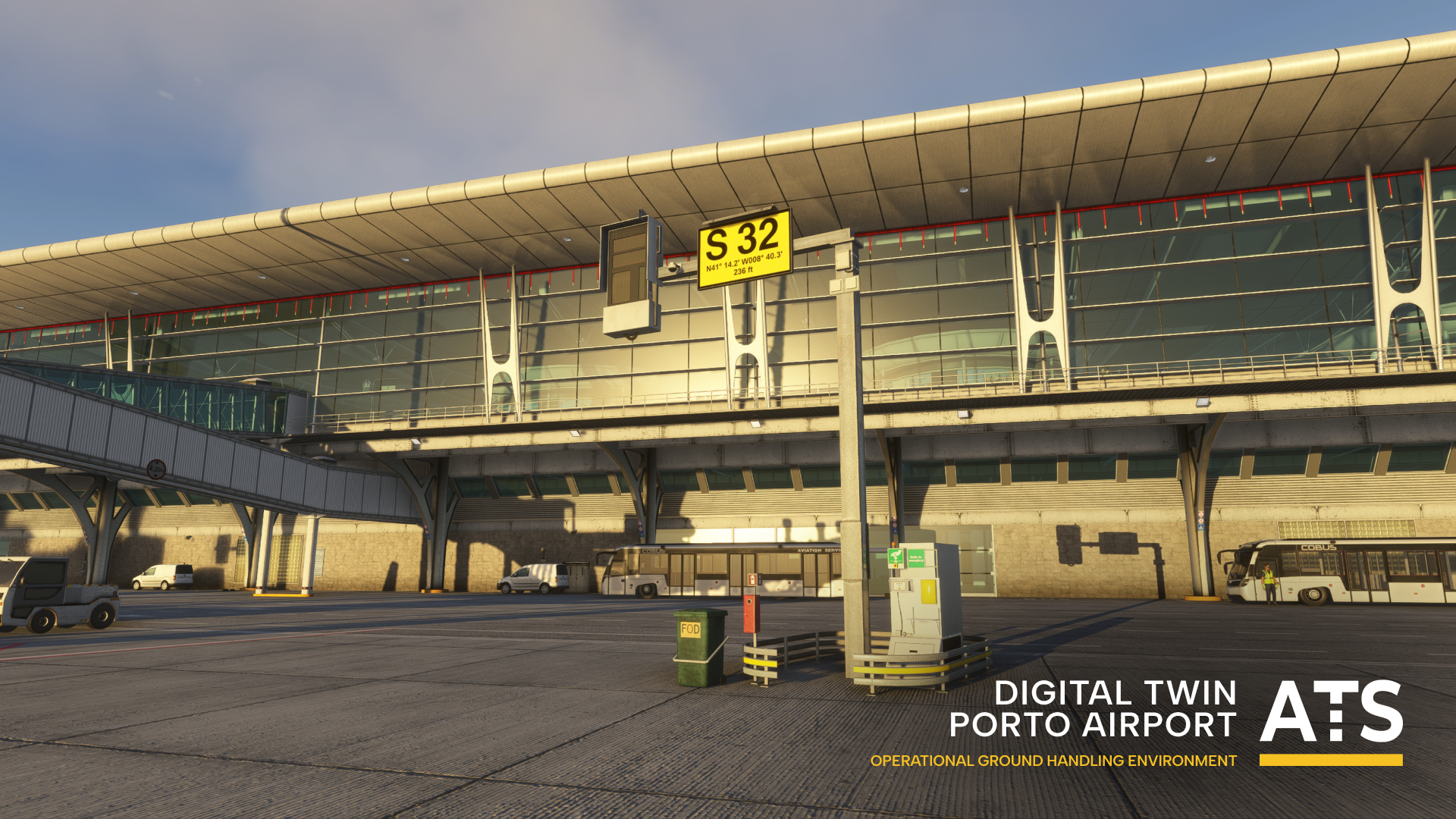
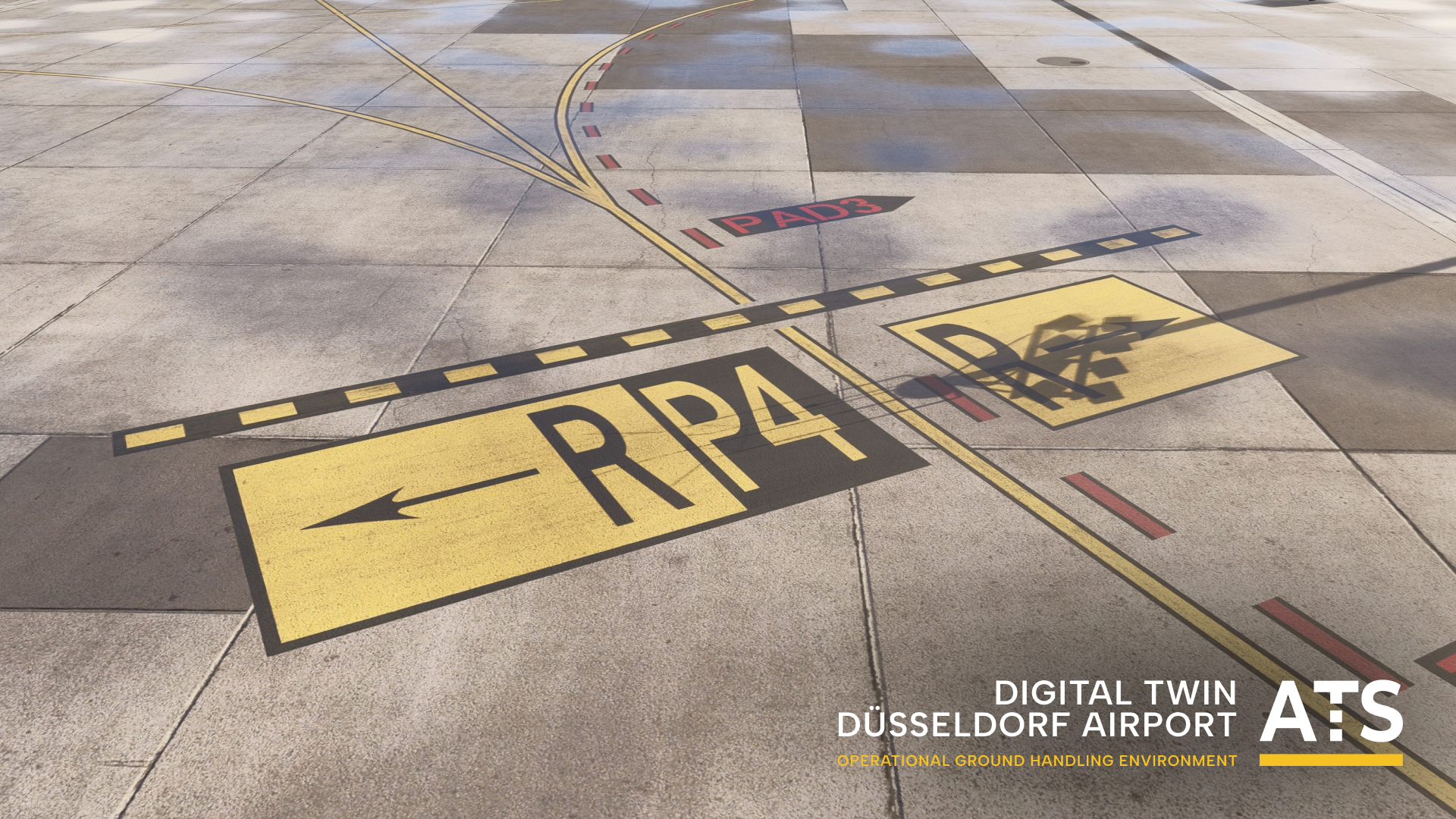
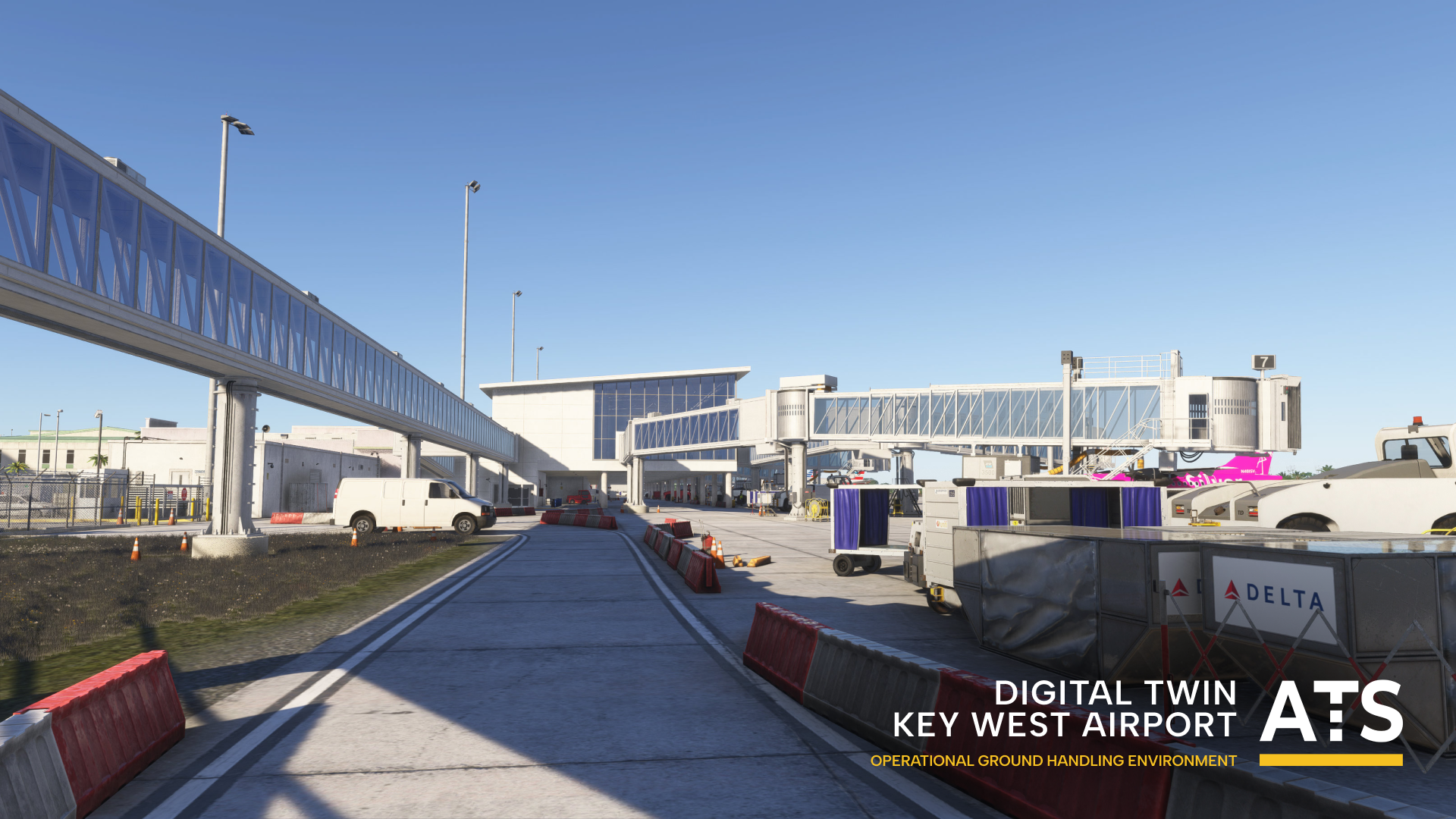
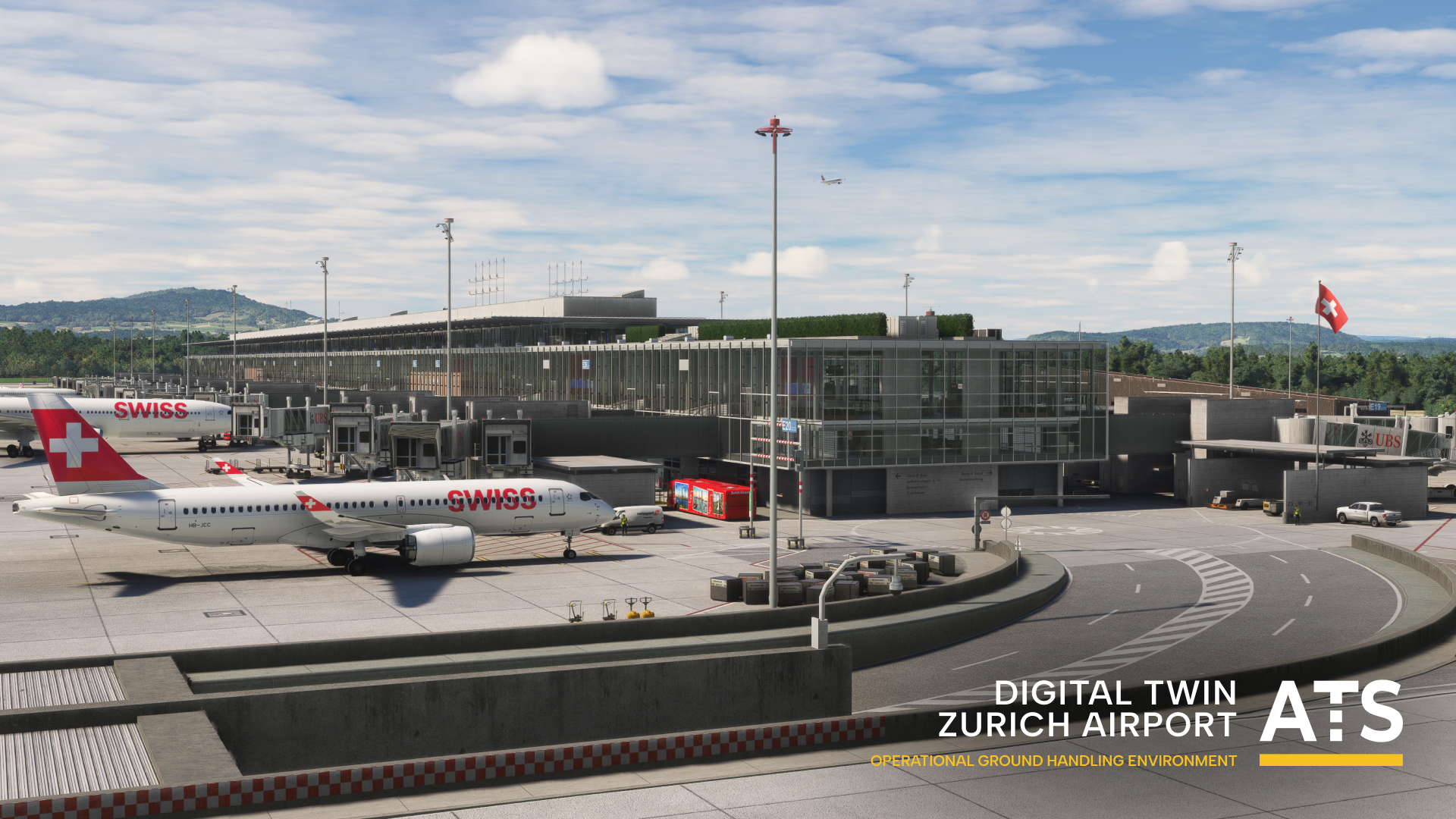
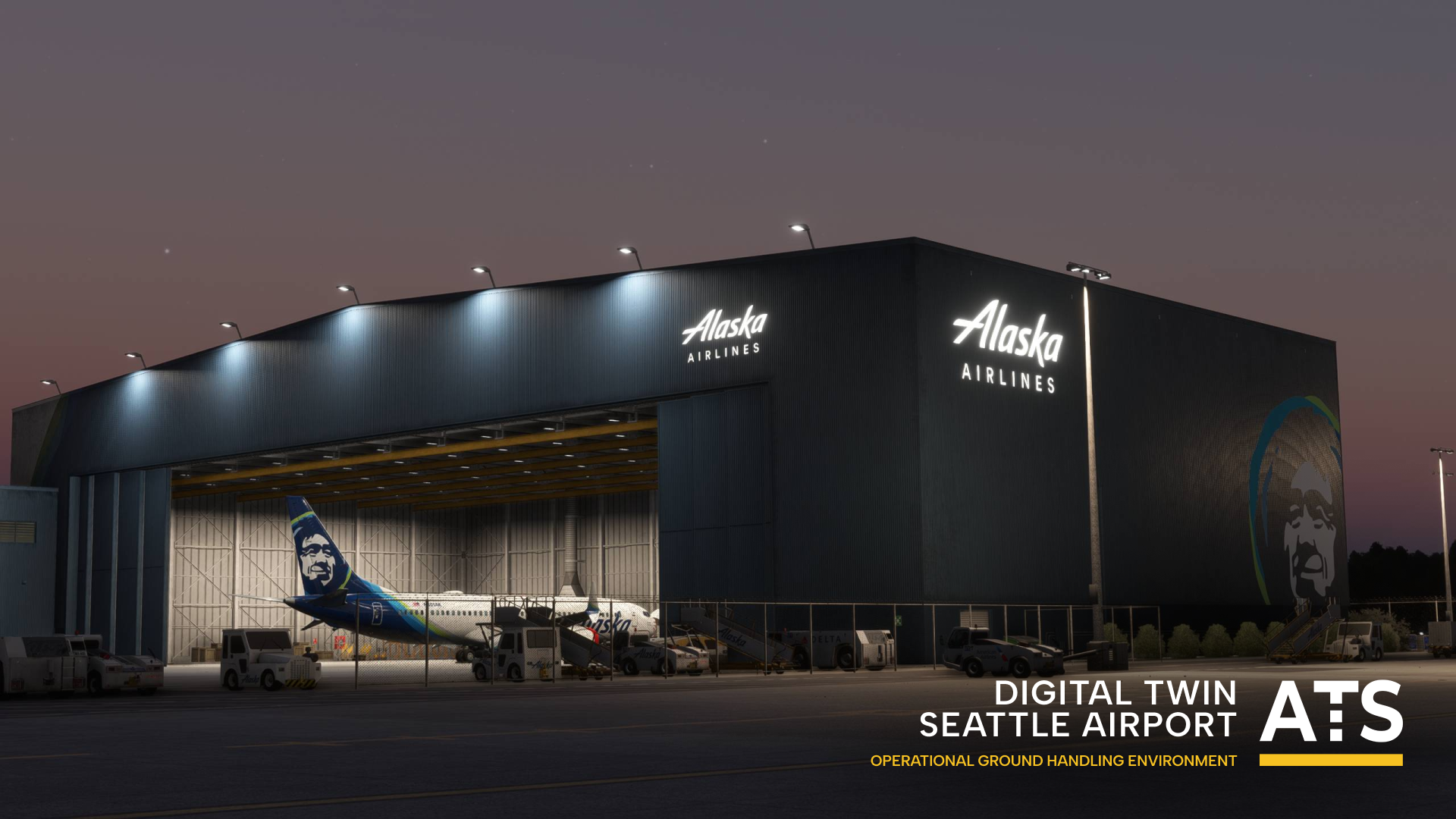
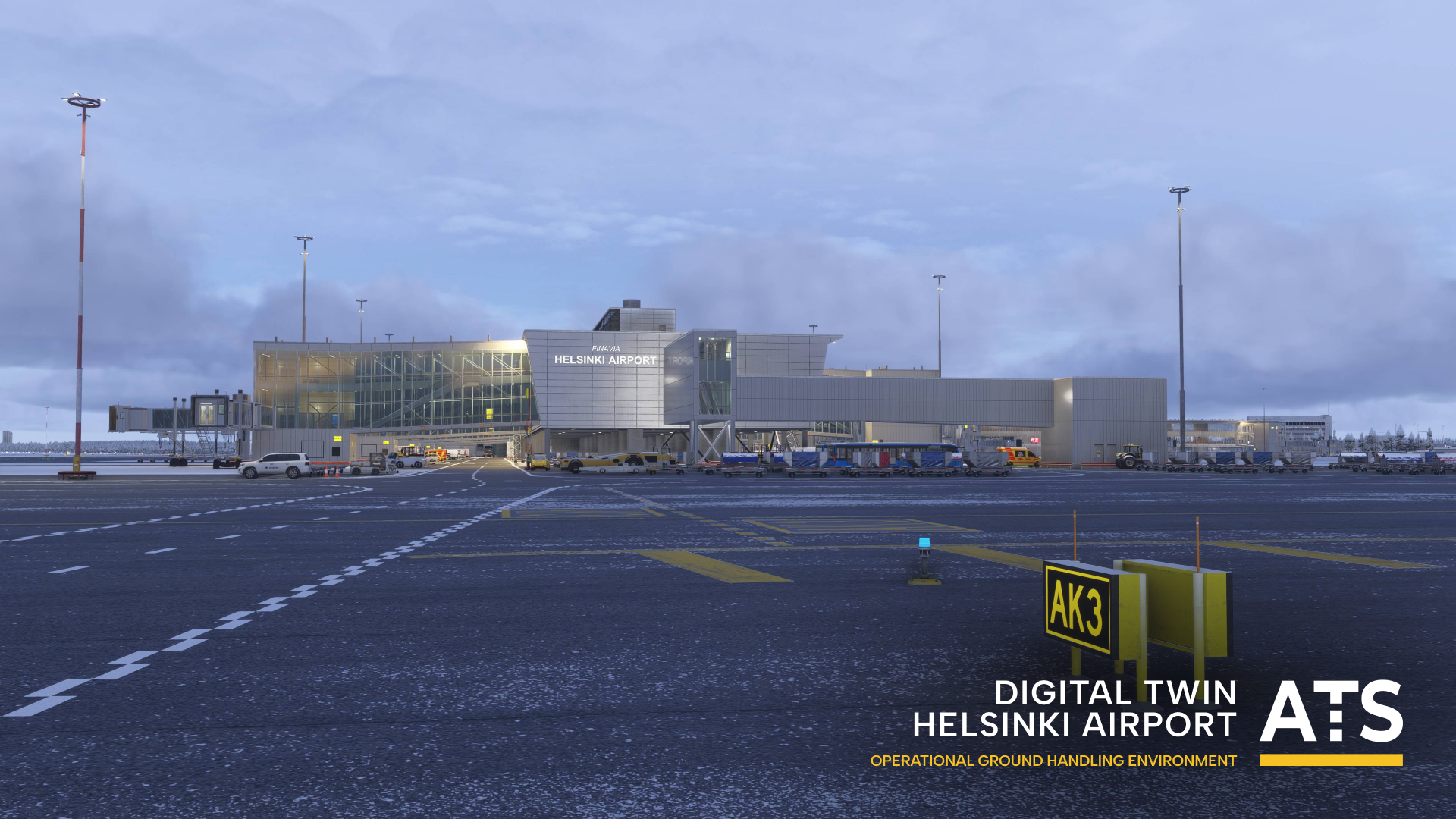
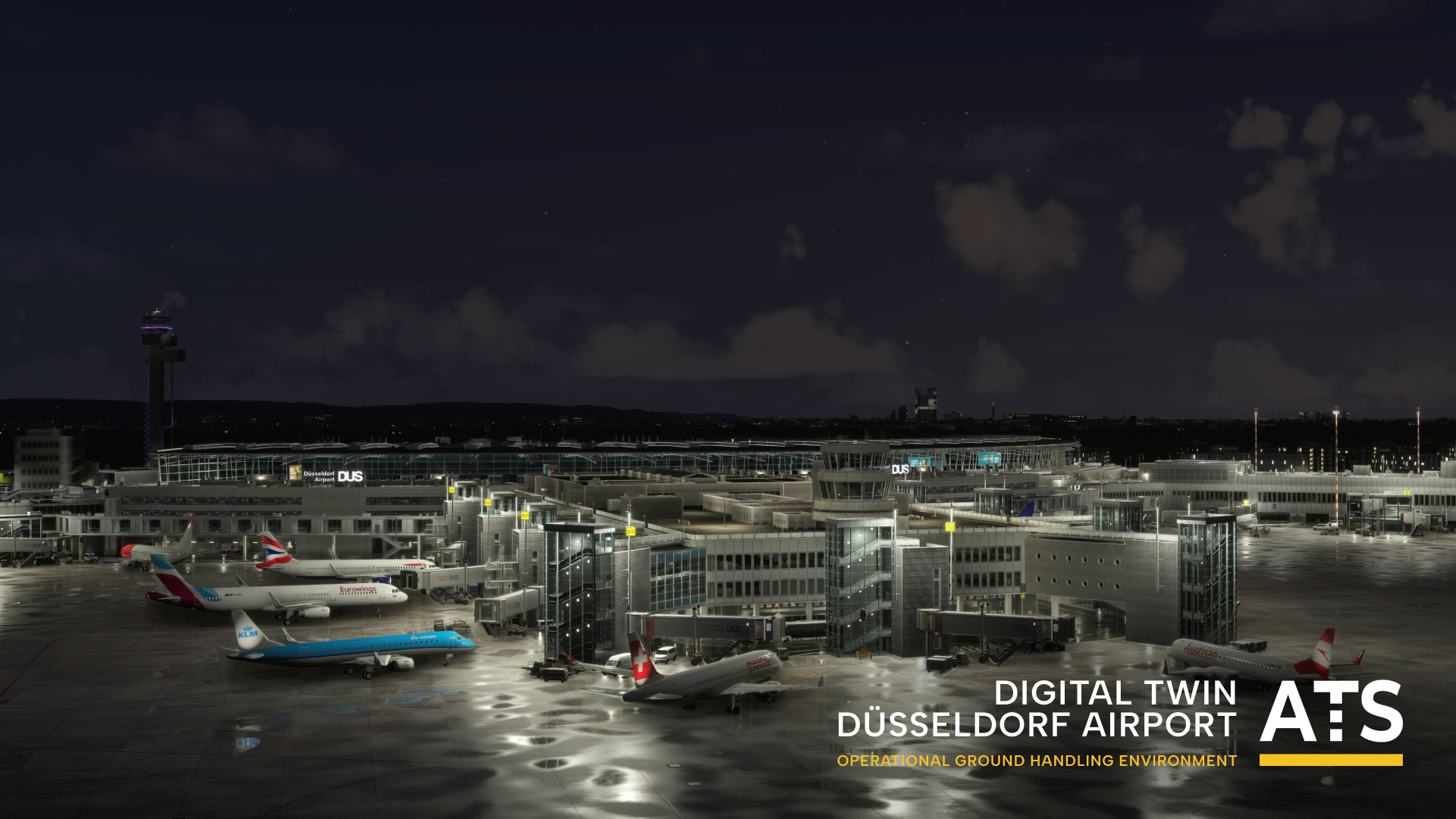
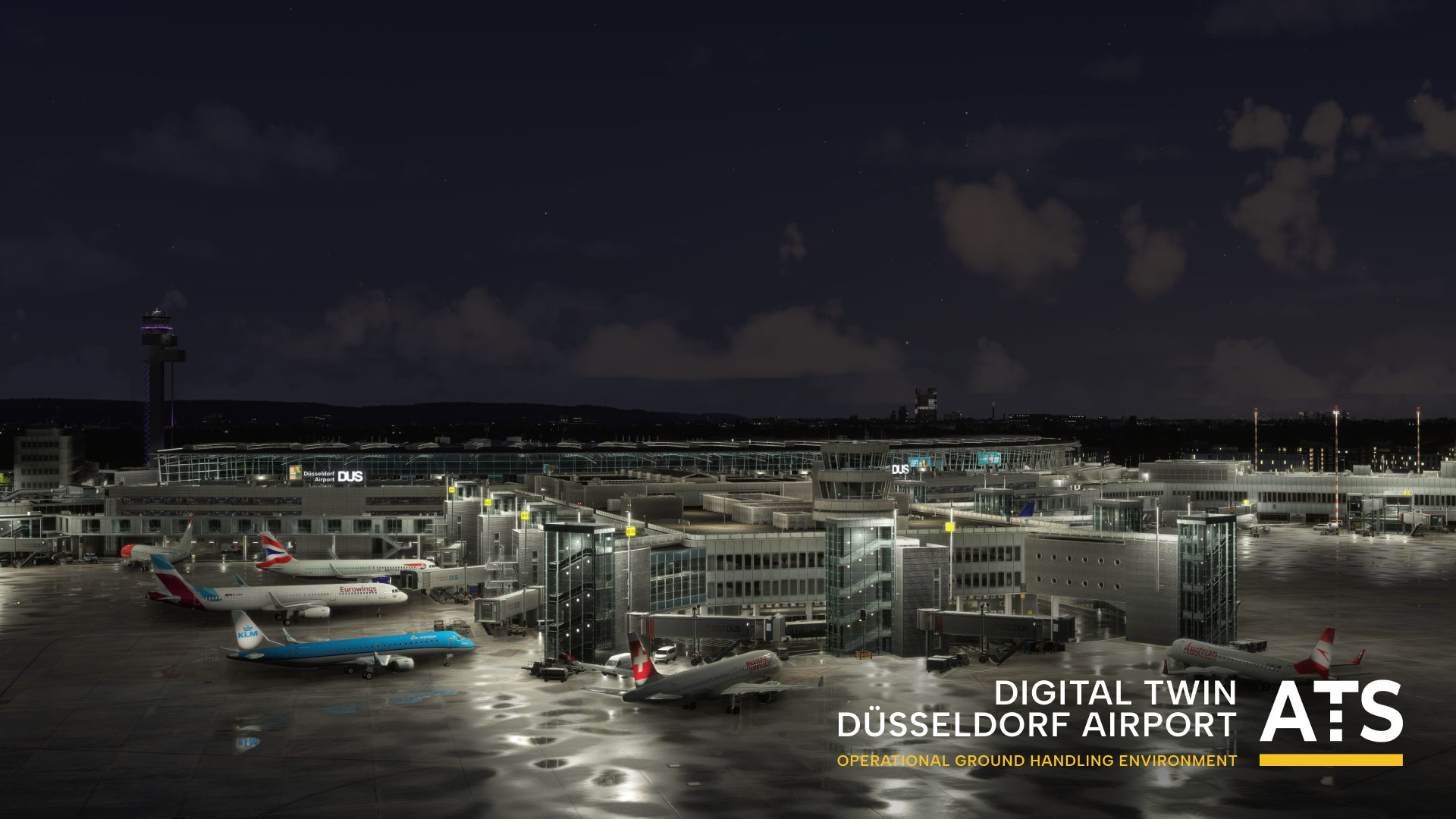
A digital twin is a highly accurate virtual replication of a real airport environment. Unlike generic simulator maps, a digital twin reflects the actual operational ecosystem of a specific airport, including:
Stand geometry and aircraft clearances
Airside roads and vehicle traffic organization
Pushback routes and restricted areas
Terrain elevation and ramp inclinations
Terminal infrastructure and service access points
GSE operating zones and parking locations
Airport-specific operational procedures
For ground handling operations, this level of realism is critical. Small environmental differences can significantly impact operational safety, maneuvering behavior, and turnaround efficiency. Even minor changes in stand positioning, service road access, or traffic density can affect how teams coordinate aircraft handling operations during peak traffic periods.
Airports Never Stop Changing
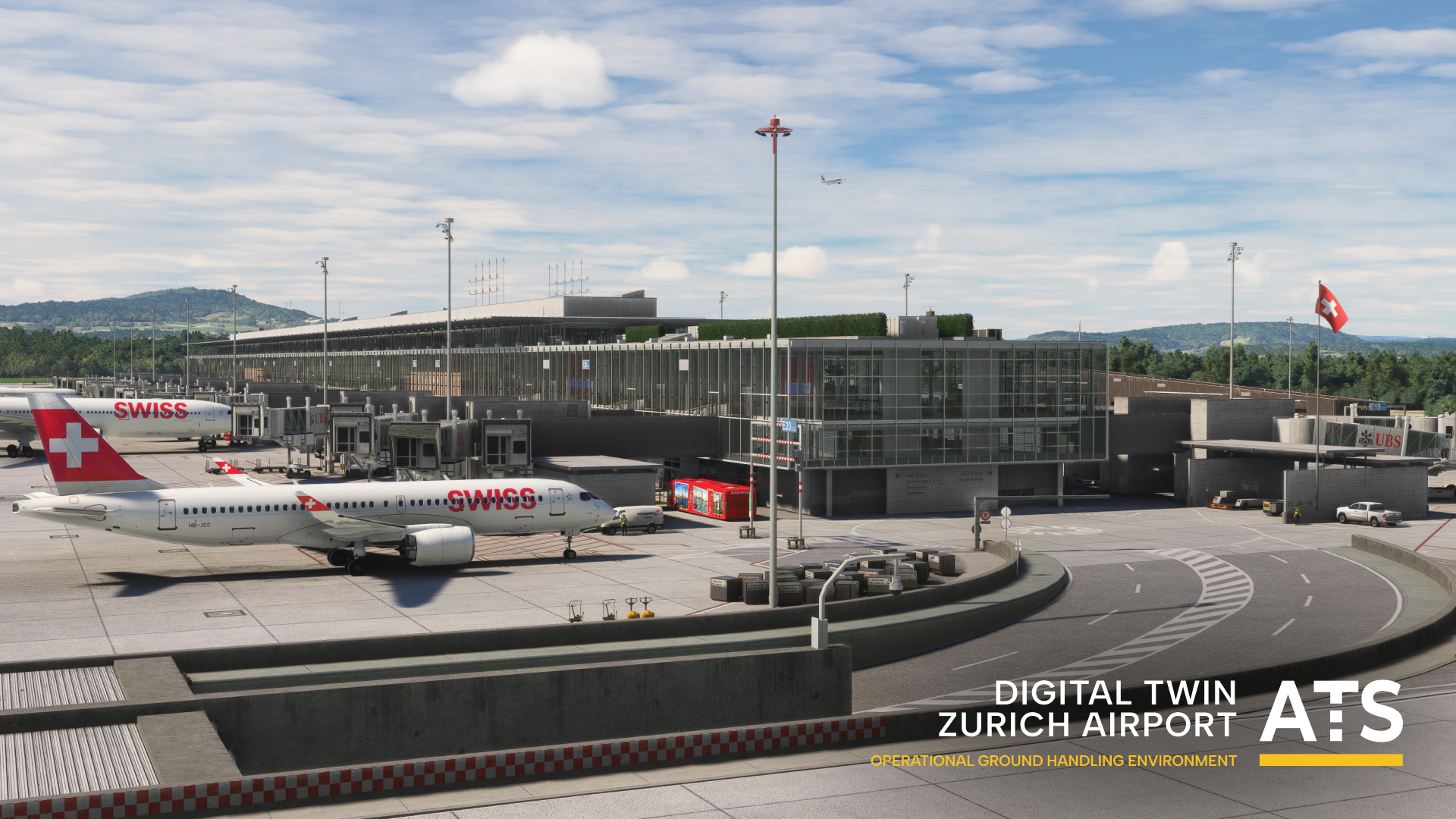
Modern airports operate in a state of continuous transformation. Terminal expansions, temporary stand closures, construction works, changing traffic routes, and evolving airline procedures are now part of everyday airport operations. At the same time, many ground handling operators are transitioning toward new generations of GSE equipment, including electric fleets and updated operational technologies.
For operational teams, adapting to these changes while maintaining safety and efficiency is often difficult. Congested ramps, limited maneuvering space, and high turnaround pressure leave little room for familiarization directly within live operations. Even experienced personnel may require time to adjust to new layouts, vehicle characteristics, or modified procedures.
Training Before Operational Deployment
Digital twins allow airports and ground handling operators to prepare teams before operational changes are introduced live on the ramp. Instead of learning new layouts or vehicle systems during active operations, personnel can familiarize themselves in a controlled virtual environment that accurately reflects the updated airport conditions. This reduces the need for operational familiarization directly within active ramp environments, where traffic congestion and time pressure increase operational exposure.
This applies not only to onboarding new employees, but also to recurrent operational training for existing teams. Operators can rehearse updated pushback routes, temporary construction-related traffic flows, modified stand layouts, or entirely new GSE vehicle types before they are introduced into day-to-day operations.
Typical use cases include:
Training operators on newly introduced GSE vehicles
Familiarization with temporary construction-related traffic flows
Adapting to modified stand layouts and pushback procedures
Preparing teams for terminal openings or infrastructure changes
Rehearsing operations during seasonal traffic peaks
Transitioning employees between different ramp areas or airport stations
This approach reduces adaptation time while improving operational consistency across teams.
Why Terrain and Airport Layout Matter
Airport terrain itself has a direct impact on ramp operations.
Ramp inclinations, elevation changes, drainage design, narrow maneuvering corridors, and visibility limitations influence:
Vehicle handling characteristics
Braking distances
Pushback precision
Equipment positioning
Operator visibility and situational awareness
In real operations, these environmental factors contribute significantly to ramp incidents and operational inefficiencies.
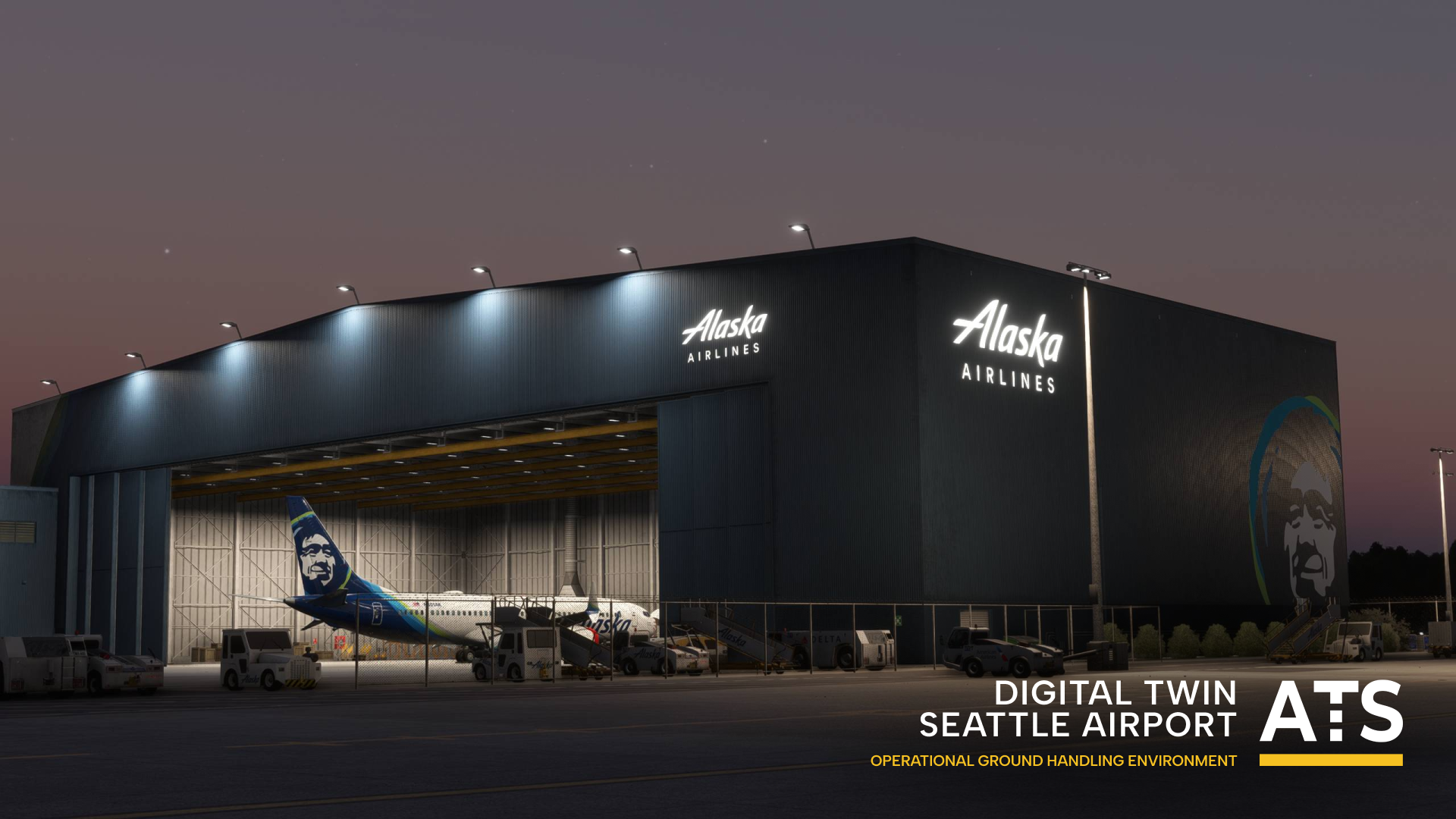
A properly designed digital twin allows personnel to experience these operational conditions before entering live operations. This improves hazard awareness and prepares operators for the real behavioral characteristics of both the airport environment and the GSE fleet.
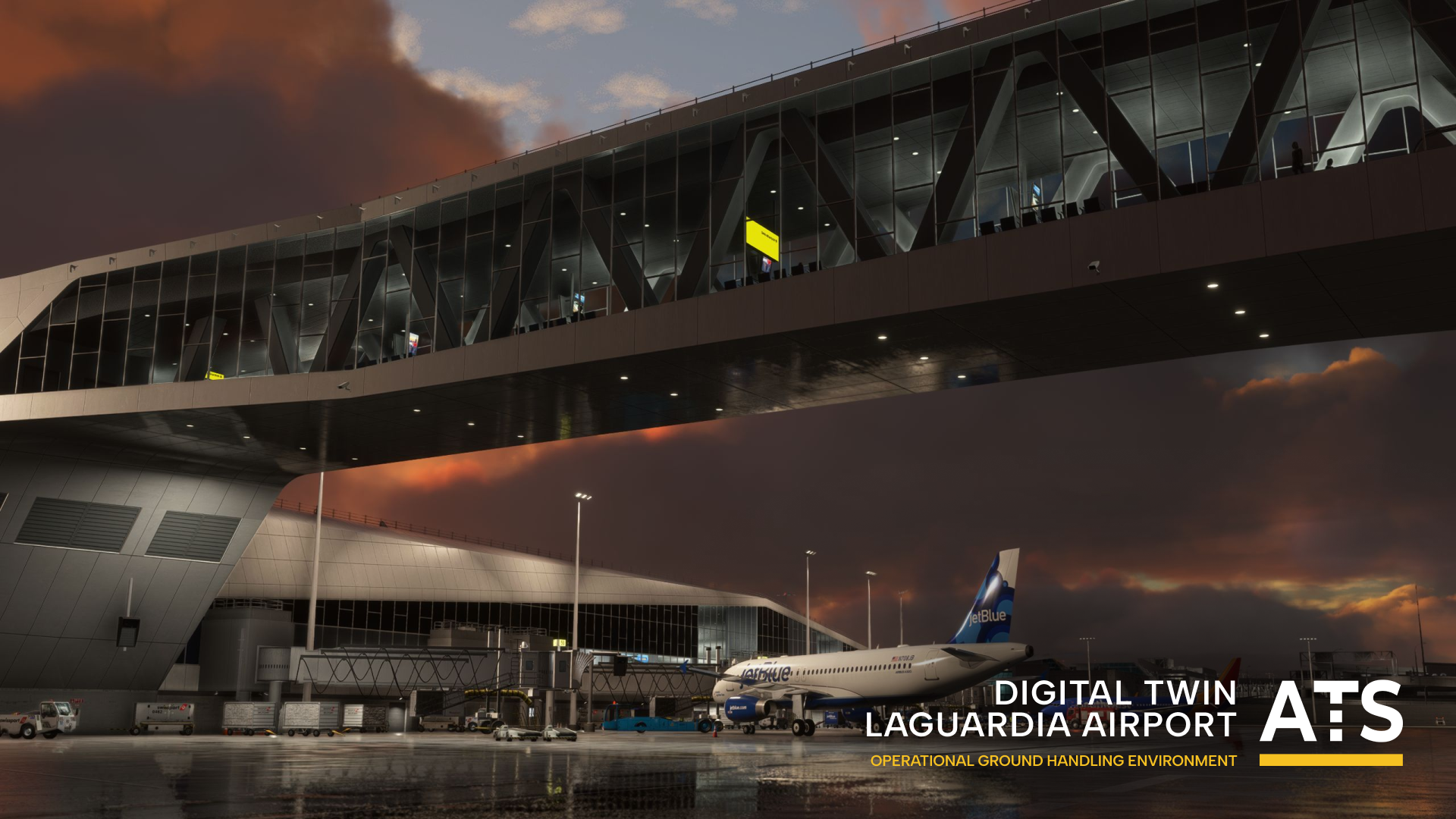
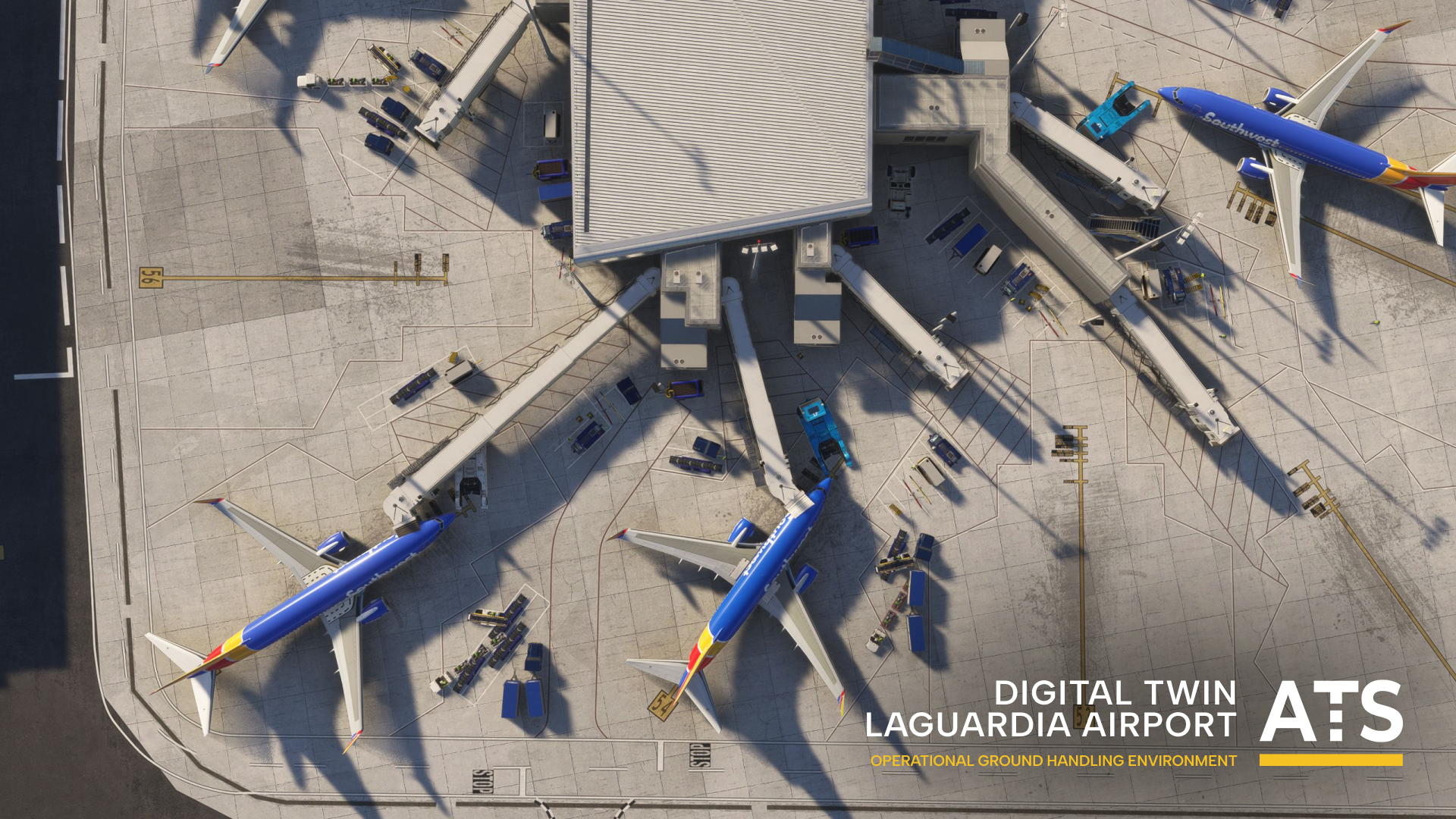
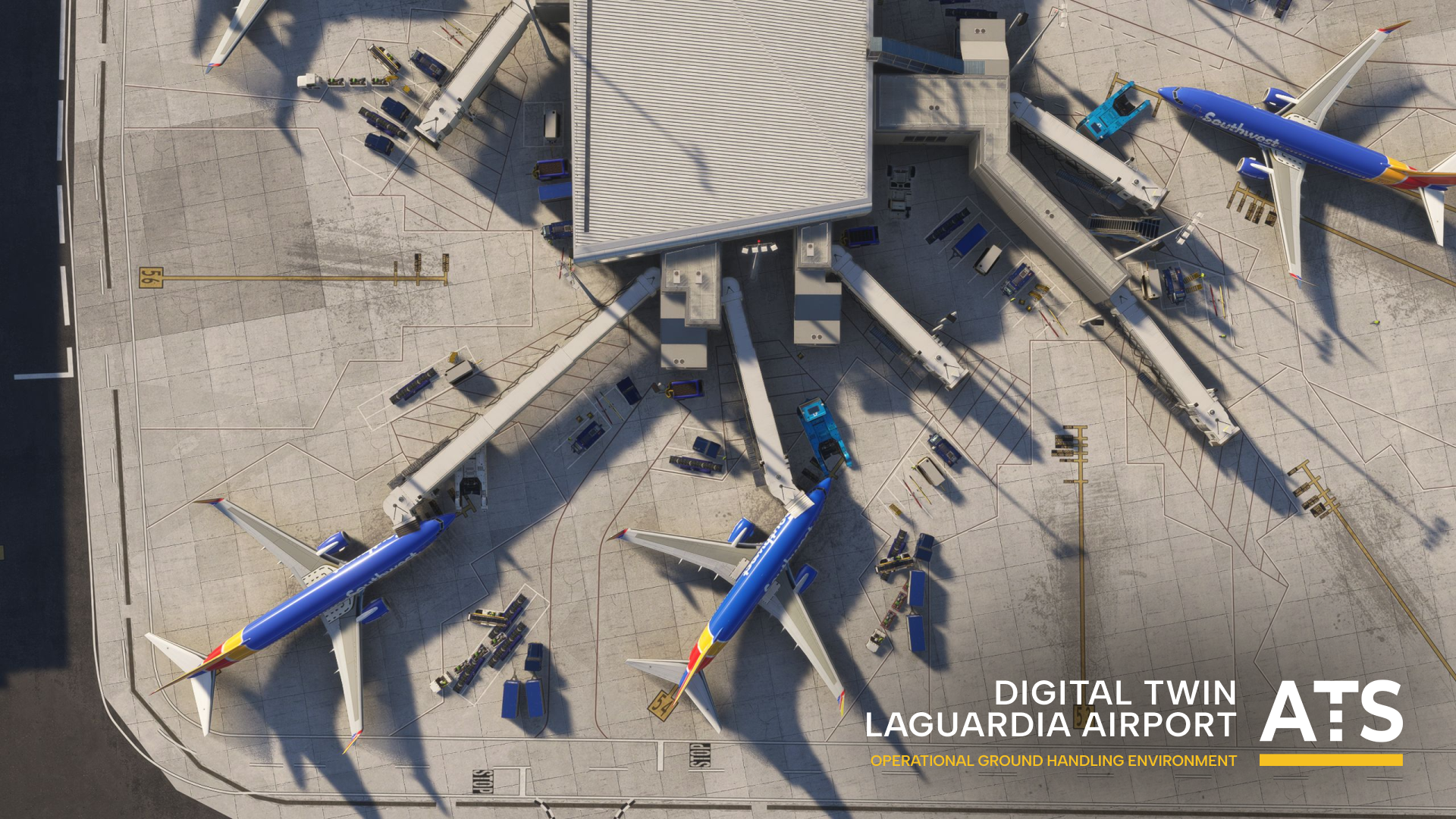
For airports with complex layouts such as LaGuardia Airport, this realism becomes operationally valuable rather than simply visual.
Supporting Safety and Standardization
One of the biggest advantages of digital twin environments is operational standardization. Training scenarios can be repeated consistently across multiple teams, shifts, and airport locations. Managers can verify procedural compliance, evaluate decision-making, and identify operational weaknesses before they lead to incidents on the live ramp.
Digital twin environments also support hazard recognition training, congestion management preparation, emergency scenario rehearsals, and replay analysis after operational events. As a result, simulation evolves from a basic training tool into a broader operational preparation platform supporting both safety management and long-term operational consistency.
More Than a Simulator
In modern ground handling operations, simulation is no longer only about learning how to operate a vehicle. The operational environment itself has become one of the most important elements of effective training.
A digital twin connects personnel preparation directly with the real airport ecosystem where operations are performed every day. As airports continue evolving, this approach allows training programs to evolve with them - improving readiness, safety, and operational resilience across the entire ramp operation.