

The Most Common Pushback Mistakes and Why They Continue to Happen
Aircraft pushback is one of the most routine activities in ground handling operations. Every day, thousands of aircraft are safely moved away from the gate and prepared for departure. Yet despite well-established procedures and industry standards, pushback-related incidents continue to occur across airports worldwide. The scale of the challenge is significant. Aircraft ground damage is estimated to cost the aviation industry around USD 5 billion annually, with projections suggesting that figure could double by 2035 if additional preventive measures are not implemented. Ground damage remains one of the most frequently reported operational safety events in commercial aviation, demonstrating that even routine operations require constant attention to safety.
Misjudging Aircraft Clearance
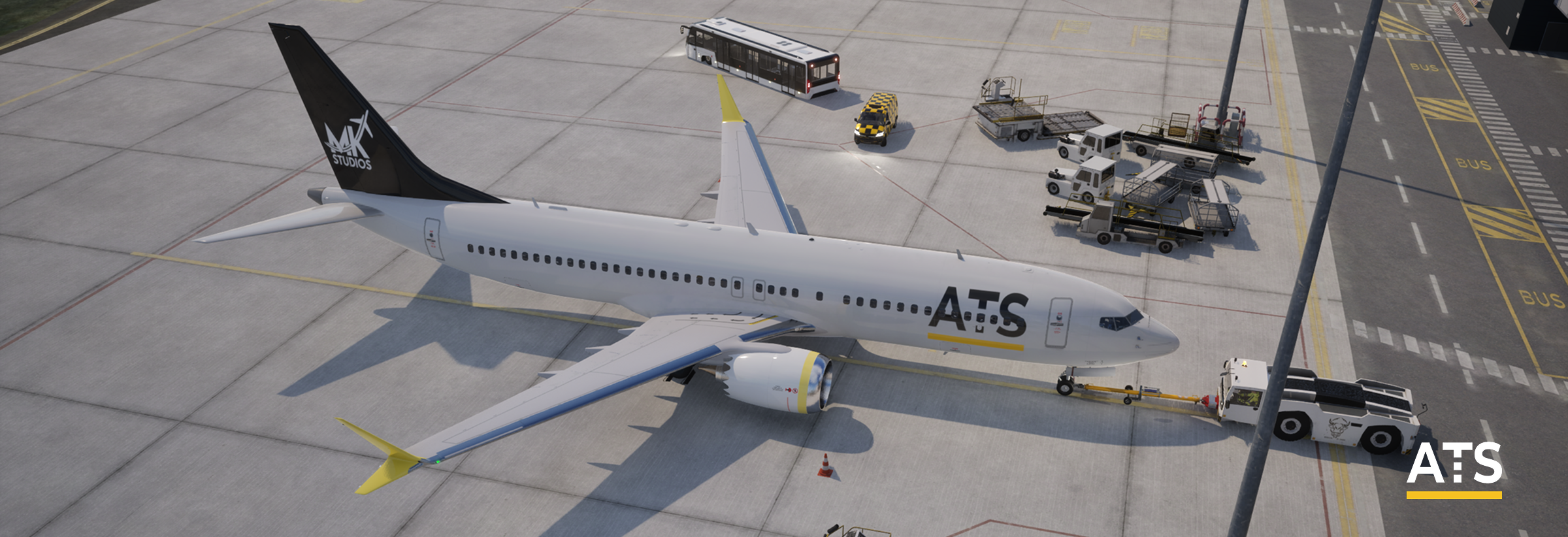
Maintaining adequate clearance throughout a pushback maneuver requires continuous situational awareness. Operators must account for aircraft dimensions, stand layout, nearby equipment, service vehicles, airport infrastructure, and changing apron conditions. In busy ramp environments, even a small error in judgment can result in contact with an obstacle or create an unsafe situation requiring immediate intervention.
The consequences can extend far beyond the initial event. Aircraft inspections, operational delays, repair costs, and disruption to airline schedules can quickly transform a minor mistake into a costly incident.
Communication Errors
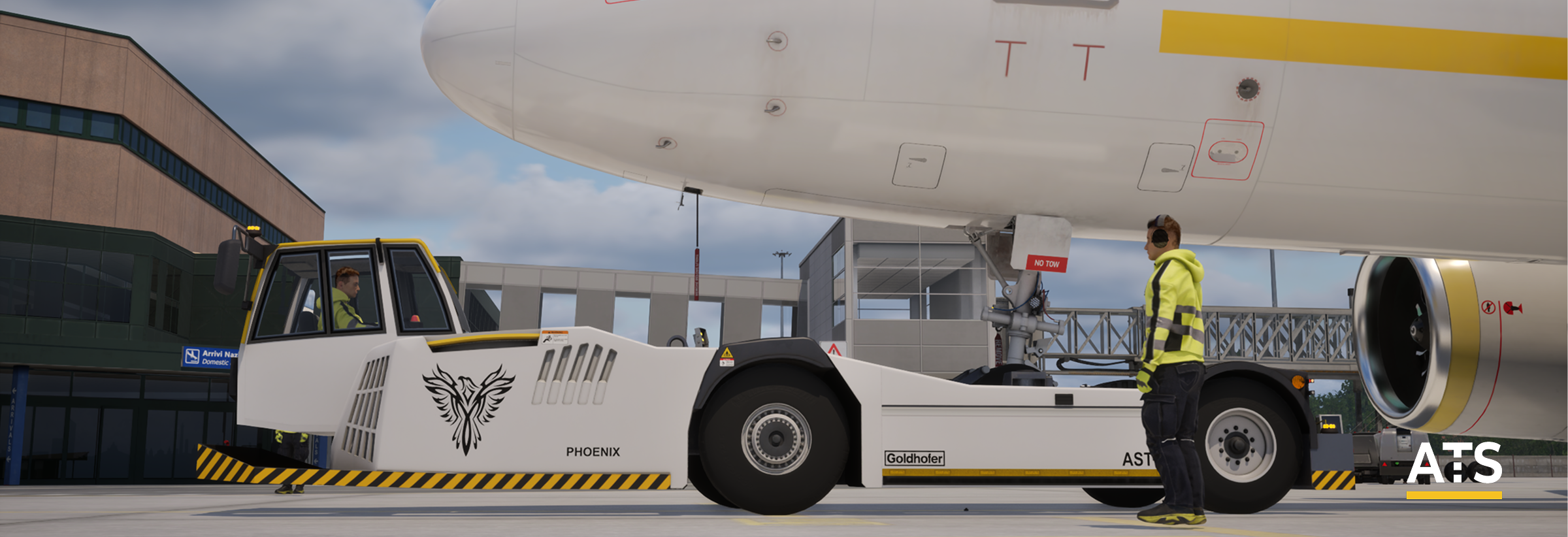
Pushback operations depend on effective communication between multiple parties, including the tug operator, headset operator, flight crew, and air traffic control. When instructions are misunderstood, confirmations are missed, or standard phraseology is not followed, the risk of confusion increases significantly.
Communication failures do not always result in damage, but they often create operational inefficiencies and can contribute to incidents when combined with other factors. In high-pressure environments, small misunderstandings can quickly escalate into larger operational challenges.
Excessive Pushback Speed
Speed management is a fundamental aspect of safe aircraft handling. However, maintaining the right balance between efficiency and control can be challenging, particularly for less experienced operators.
Excessive speed reduces reaction time and limits the operator's ability to respond to unexpected situations. It may also increase the likelihood and severity of contact events during maneuvering. With more than 29,000 aircraft ground damage incidents reported globally in 2025, even seemingly minor deviations from best practices can have a measurable impact on safety performance.
Inadequate Response to Unexpected Situations
No two operational days are exactly the same. Vehicles can enter movement areas unexpectedly, communication issues can arise, weather conditions can change rapidly, and equipment malfunctions can occur without warning. The ability to recognize a developing situation and respond appropriately often determines whether an event remains a minor inconvenience or develops into a serious incident.
The challenge is that many of these scenarios occur infrequently. As a result, operators may have limited opportunities to gain experience dealing with them before encountering them in real operations.
Limited Exposure to Adverse Weather Conditions
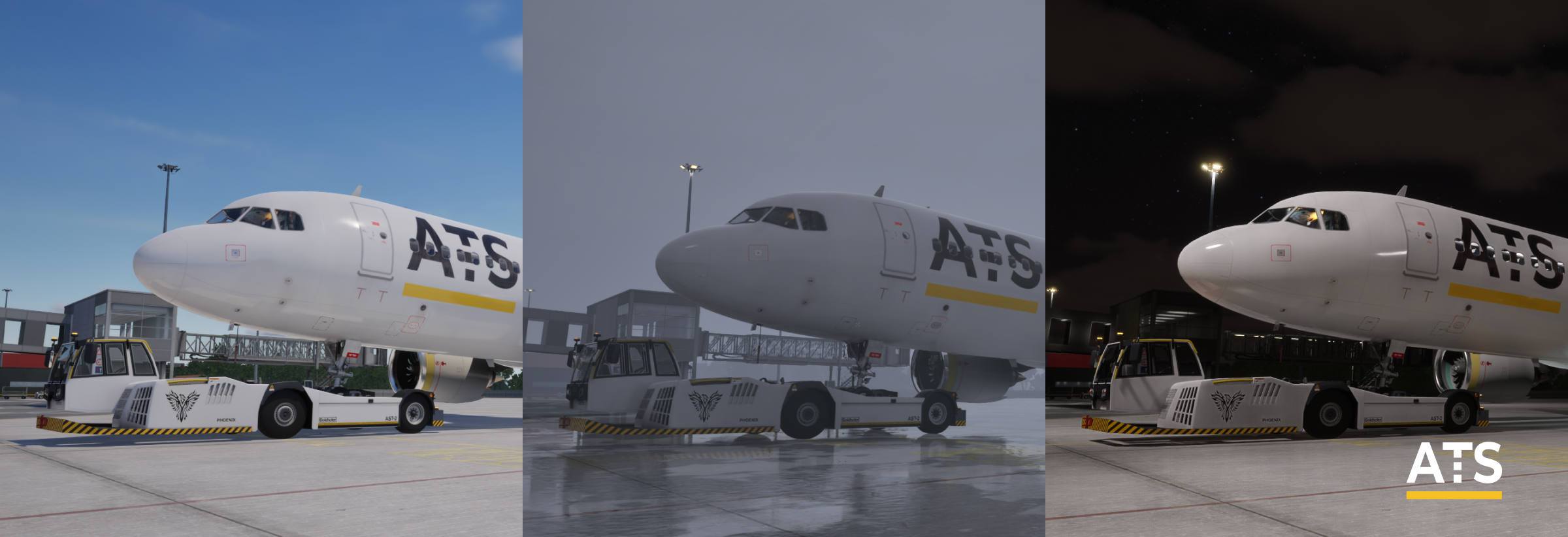
Rain, fog, snow, and night operations introduce additional complexity to pushback procedures.
Reduced visibility affects depth perception and situational awareness, while changing surface conditions can influence vehicle handling and stopping distances. Many operators receive their initial training during normal operating conditions and may only encounter severe weather situations occasionally. Yet these are often the moments when operational discipline becomes most important.
Why These Mistakes Continue to Happen
Most pushback incidents are not caused by a lack of procedures. The aviation industry has developed comprehensive standards, guidance material, and operating practices that clearly define how pushback operations should be performed.
The challenge lies elsewhere. Experience is difficult to standardize.
Some operators may encounter unusual situations regularly, while others may go years without facing a rare but critical event. New employees often require time to build confidence and practical judgment, while experienced personnel may have limited opportunities to practice scenarios that occur only occasionally. Traditional classroom training provides essential knowledge, and practical training remains indispensable. However, not every situation can be safely or realistically recreated during day-to-day operations.
Closing the Experience Gap
As airports become busier and operational demands continue to grow, many organizations are exploring new ways to strengthen practical training.
Simulation-based training has gained increasing attention because it allows operators to experience situations that would otherwise be difficult, expensive, or unsafe to recreate in a live environment. Airport familiarization, adverse weather operations, communication exercises, equipment failures, and emergency scenarios can all be practiced repeatedly without disrupting daily operations.
Rather than replacing traditional training, simulation provides an additional opportunity to build experience before operators encounter challenging situations on the ramp.
Modern pushback and towing simulators allow operators to repeatedly practice critical maneuvers in a controlled environment. Trainees can experience congested ramp layouts, aircraft-specific handling characteristics, communication procedures, adverse weather conditions, and abnormal situations without exposing aircraft, equipment, or personnel to risk. This creates valuable operational experience before personnel perform these tasks in live airport environments.
Conclusion
Pushback operations may be routine, but they are far from simple. Maintaining safe operations requires situational awareness, effective communication, sound judgment, and the ability to respond appropriately when conditions change. While procedures provide the foundation for safe operations, reducing risk ultimately depends on operator competence and experience. The more opportunities personnel have to develop that experience before facing real-world challenges, the better prepared they will be to prevent costly mistakes and maintain safe, efficient ground operations.
