

Training Cargo Personnel Without Slowing Down Operations
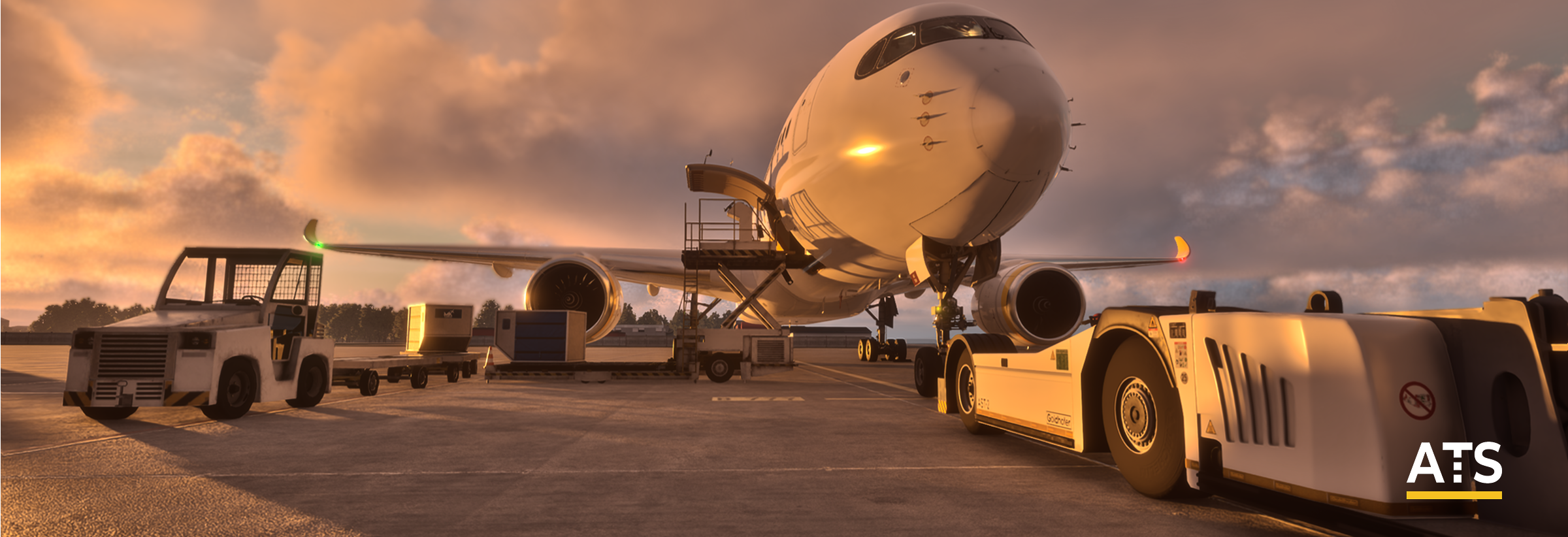
A ramp agent building up a ULD wrong costs minutes. A dangerous-goods acceptance error costs a lot more, sometimes an aircraft grounding, sometimes a fine, sometimes worse. Both mistakes usually trace back to the same root cause: someone was thrown into a task before they'd actually practiced it.
That's the position a lot of cargo operators are in right now. Ground-handling headcount across the industry is still below where it stood before 2020, even as cargo volumes climb back up. A recent survey found that 59% of air cargo workers had seriously considered leaving the industry, citing unpredictable schedules and outdated tools among their top complaints. Every departure takes procedural knowledge out the door with it, and every replacement hire needs to relearn it, live, on the floor.
So the question isn't whether training matters. It's how to deliver enough of it, fast enough, without pulling capacity away from operations that are already stretched.
Why the Job Got Harder to Train For
Cargo handling used to mean freight in a box. Now the same shift might involve temperature-controlled pharma shipments that need GDP-compliant handling, dangerous goods that require IATA DGR-certified acceptance checks, live animals, oversized freight that won't fit standard ULD configurations, and e-commerce volumes that show up in patterns nothing in the training manual anticipated.
Layer in digitalization, from automated ULD tracking to new WMS platforms, and every rollout adds a skill gap that didn't exist the year before. None of this is optional to learn. A missed DG label or a mishandled ULD build-up isn't a minor error; it's the kind of mistake that shows up in an incident report.
The Trainer Is Also the Person You Need on the Floor
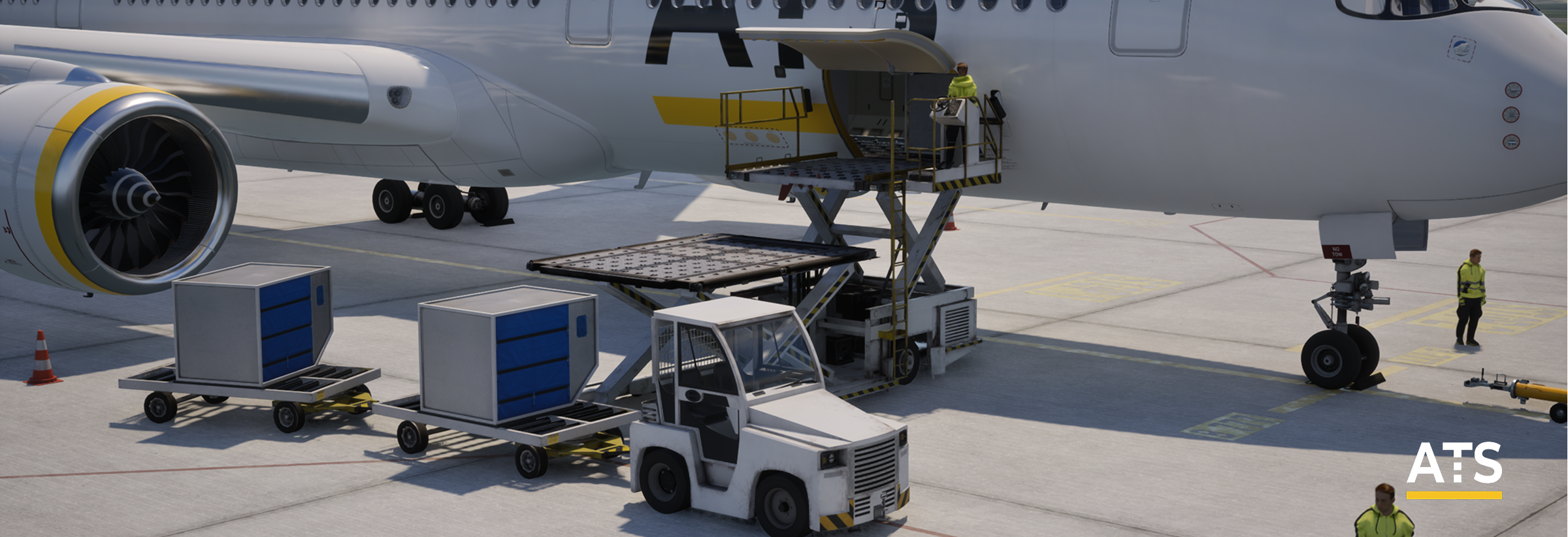
Most of this still gets taught the same way it always has: a senior handler walks a new hire through the real thing, on a live shift, with live cargo. It works, but it has a built-in cost. The person qualified to teach ULD build-up or DG acceptance is the same person you'd otherwise have coordinating the ramp or clearing a delay.
Every hour a supervisor spends training is an hour they're not resolving exceptions, which matters most during exactly the periods when training pressure is highest: peak season, a hiring wave, a short-staffed shift. At some airports, badging and clearing a new hire alone can take six to eight weeks, before hands-on training even starts. Every week of that timeline is a week the rest of the team covers the gap.
What This Actually Costs
None of this shows up in a training budget line, but operators feel it anyway:
ULD build-up and ramp turnaround slow down while an experienced handler is pulled aside to supervise a trainee
The rest of the shift absorbs the workload the trainer would normally carry
New hires take longer to reach full competency because their training gets scheduled around operations, not the other way around
There's less slack to handle a disruption, a delay, or a last-minute schedule change
Rare but serious scenarios (a DG incident, an equipment fault, a security exception) never get practiced, because they don't happen often enough to catch a trainee at the right moment
That last point is the real bottleneck. A new hire can work for months without ever encountering a misdeclared dangerous-goods shipment or a ramp equipment failure. When it finally happens, it's their first time, in a live environment, with real consequences.
Where Simulation Fits
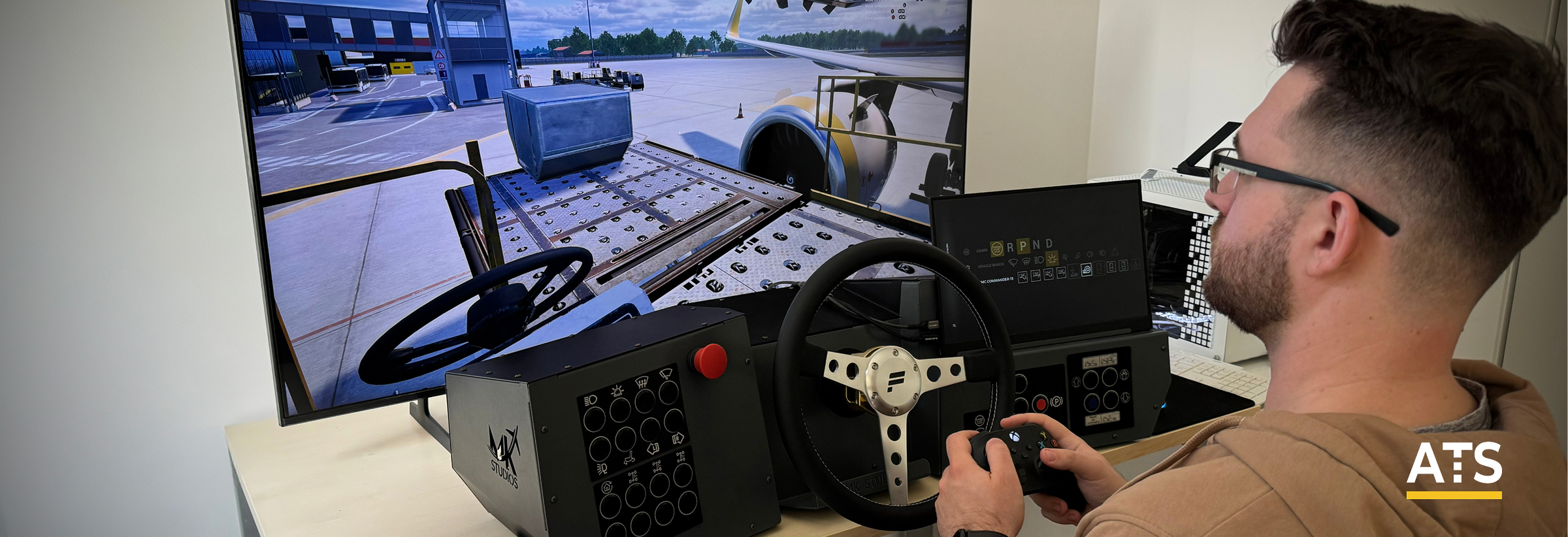
Some operators are starting to close that gap with simulation, not as a replacement for hands-on training, but as a way to front-load it. A trainee can run through a DG acceptance check, a ULD build-up sequence, or a ramp equipment fault as many times as it takes, on a physical training platform paired with software that mirrors real operational scenarios, before ever touching a live shipment.
The value isn't novelty. It's repetition on demand. A scenario that might occur once a quarter on the floor can be run every week in a simulator until a trainee's response is automatic, without pulling a supervisor off the ramp or risking real cargo to do it.
By the time that person is on a live shift, the fundamentals aren't new to them anymore. The supervisor's time goes toward judgment calls and edge cases, the parts that genuinely need a human teacher, instead of walking someone through a ULD checklist for the fifth time.
Where This Leaves Operators Now
Halfway through 2026, the labour gap hasn't closed. Ground-handling headcount is still catching up to pre-2020 levels, security and compliance remain top-five industry concerns, and none of it is a problem automation alone can fix. Dangerous-goods acceptance, ULD build-up, ramp coordination: these still need trained people, and training capacity, not demand, is what's holding operators back.
The operators managing this best aren't the ones with the fewest vacancies. They're the ones that have shortened the distance between hiring someone and having them competent on the floor, without pulling a supervisor off the ramp to get there.
