

Walkout Assistant in Pushback Operations: Bringing Real-World Procedures into Training
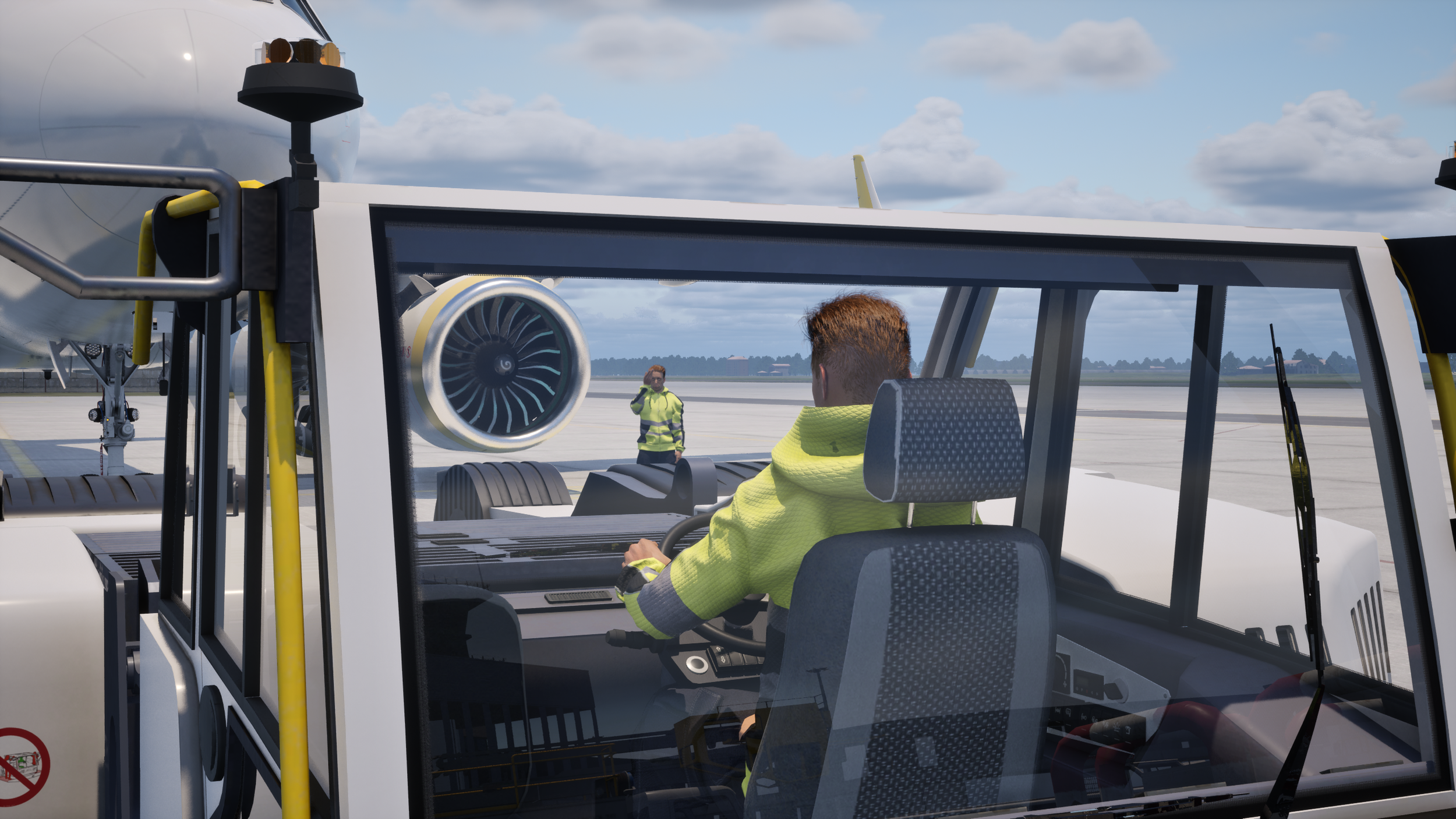
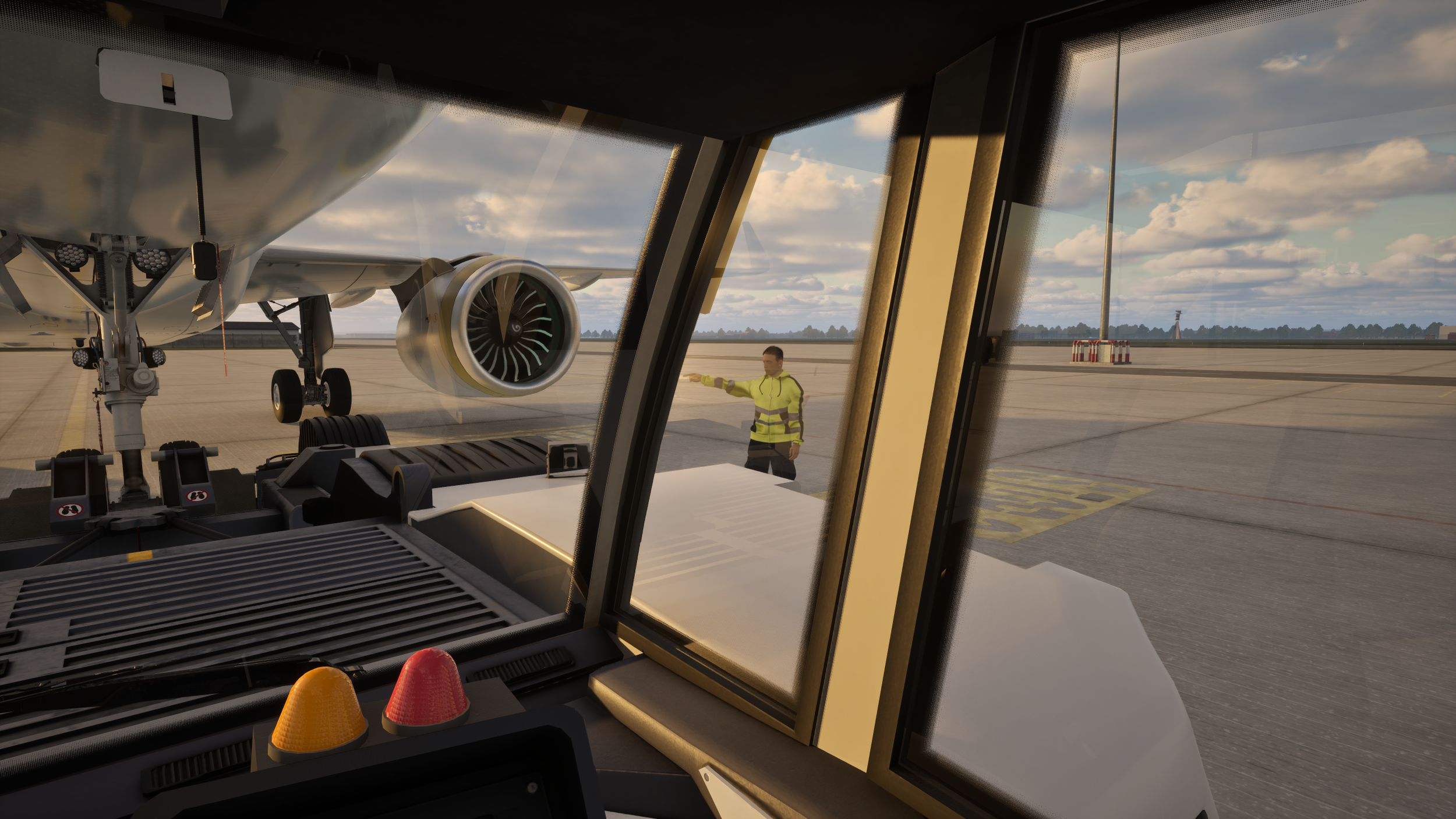
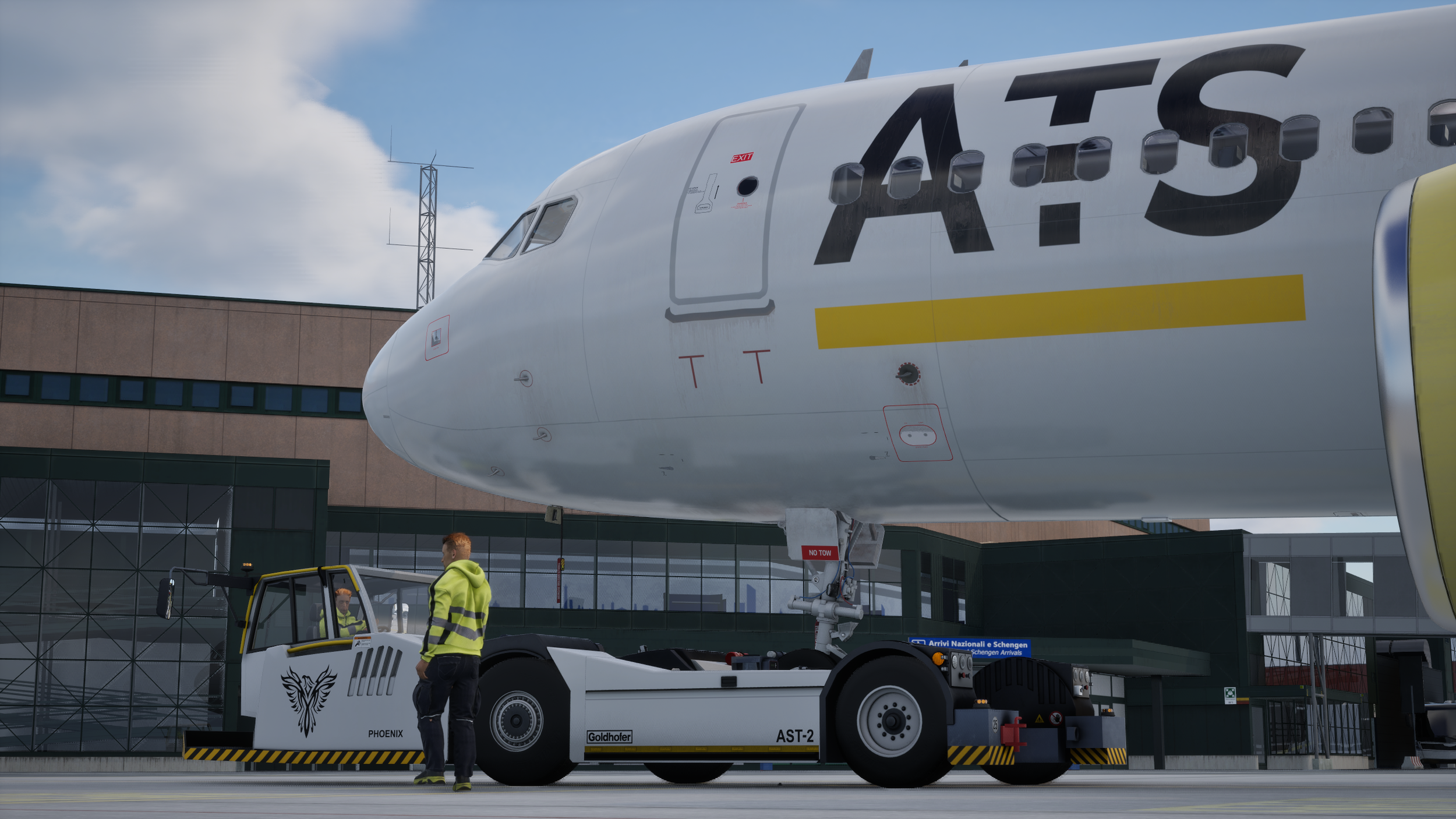
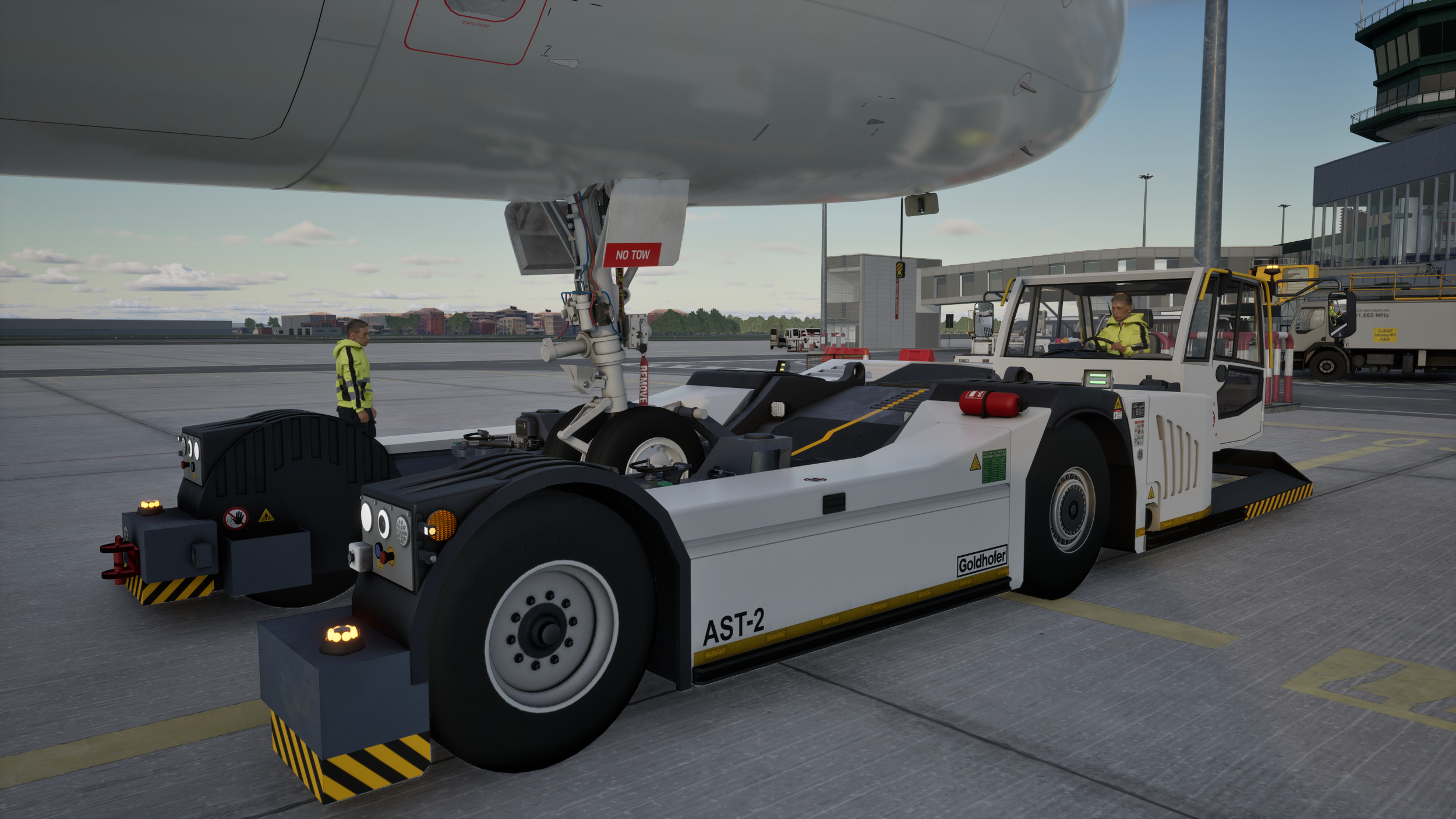
Pushback is a high-precision operation, but how it’s handled depends on where you are. At a major hub in Europe, you might have a dedicated Walkout Assistant on the headset. At a station in the US, you might rely on a team including Wing Walkers for tight clearances. In smaller bases, the driver might perform the entire sequence solo.
Because ground handling is a global business, we have introduced a fully configurable Walkout Assistant role to our pushback training simulator. Whether you follow EASA standards, FAA regulations, or specific carrier SOPs, our tool now adapts to the way your team actually works on the ramp.
One Simulator, Global SOPs
We developed this feature to meet the high safety standards of the European market, but we built it with global flexibility in mind. We know that a "one-size-fits-all" approach doesn’t work in ground handling.
To accommodate different regional requirements, the simulator is now fully configurable:
The Two-Person Team: Ideal for hubs where a Walkout Assistant handles the interphone, the bypass pin, and the visual sweep.
The Solo Operation: For stations where the driver performs the entire sequence independently, from pin installation to the final "thumbs up."
Procedural Customization: This goes beyond a simple on/off switch. Since walkout procedures differ between airports and operators, the simulator allows you to adjust the workflow to fit your specific needs. Whether your setup requires a dedicated headset operator or you are looking to mirror specific Wing Walker protocols, the system is built to match your local rules.
This flexibility allows training centers to mirror their Standard Operating Procedures (SOPs) exactly as they are performed on the line, whether they are in London, Chicago, or Singapore.
How tasks are split on the ramp
When a walkout assistant is involved, the separation of duties improves safety and efficiency. They typically handle the "aircraft-side" tasks:
Connecting the interphone headset for cockpit communication.
Installing the steering bypass pin.
Performing the final walkaround to check that all gear doors and panels are closed.
Meanwhile, the pushback driver focuses on the technical setup of the tug positioning the vehicle and connecting to the aircraft. This allows the driver to concentrate fully on the movement and the surrounding environment once the push begins.
Communication and Coordination
The walkout assistant is the main link to the flight crew. They manage the dialogue: confirming brakes are set, coordinating chock removal, and relaying the "clear to push" from the cockpit.
Throughout the process, the assistant uses standard hand signals to keep the driver informed. This ensures the driver knows exactly what the aircraft status is without having to manage the radio at the same time.
Improving Training Realism
Pushback training is about more than just driving a tug. It is about the preparation sequence, radio etiquette, and the coordination between the ground crew and the cockpit.
By adding the walkout assistant as a configurable option, the simulator accurately reflects how different handlers actually work around the world. For instructors, this means training is consistent with local company rules. For trainees, it builds a better understanding of how teamwork and preparation lead to a safe departure.
